
Nordic Experience for the Development of Smart Cities in Serbia and the Region
Feb 12, 2026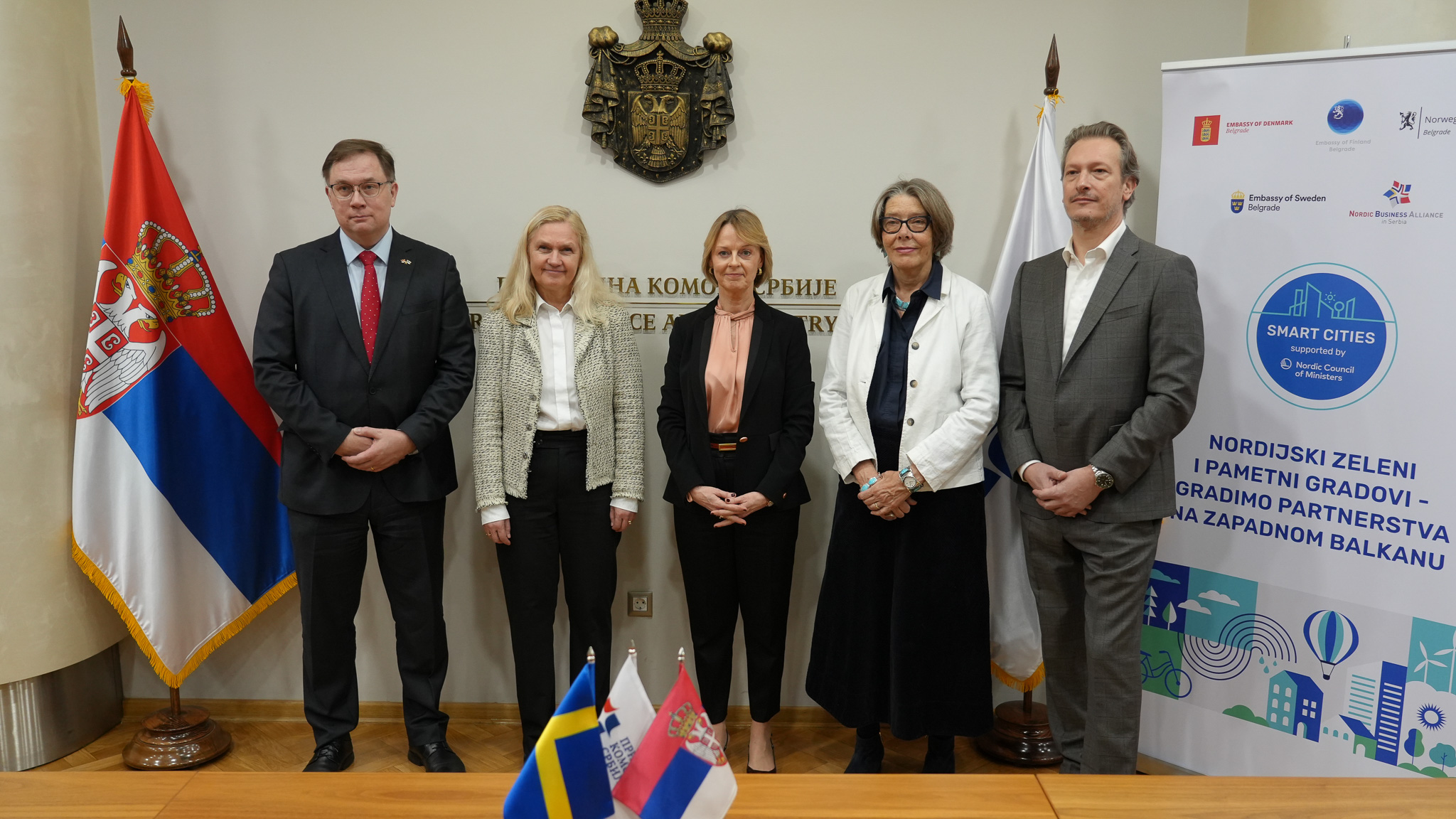
Serbia has the opportunity to steer the accelerated development of its cities toward a model of smart and sustainable urban planning, drawing on Nordic experience and applying best European practices in energy efficiency and green construction. Partnership, innovation, and responsible planning are key to the competitiveness and long-term development of cities in Serbia and the region, which was the message of the conference “Smart Engineering for Urban Development,” held at the Chamber of Commerce and Industry of Serbia.
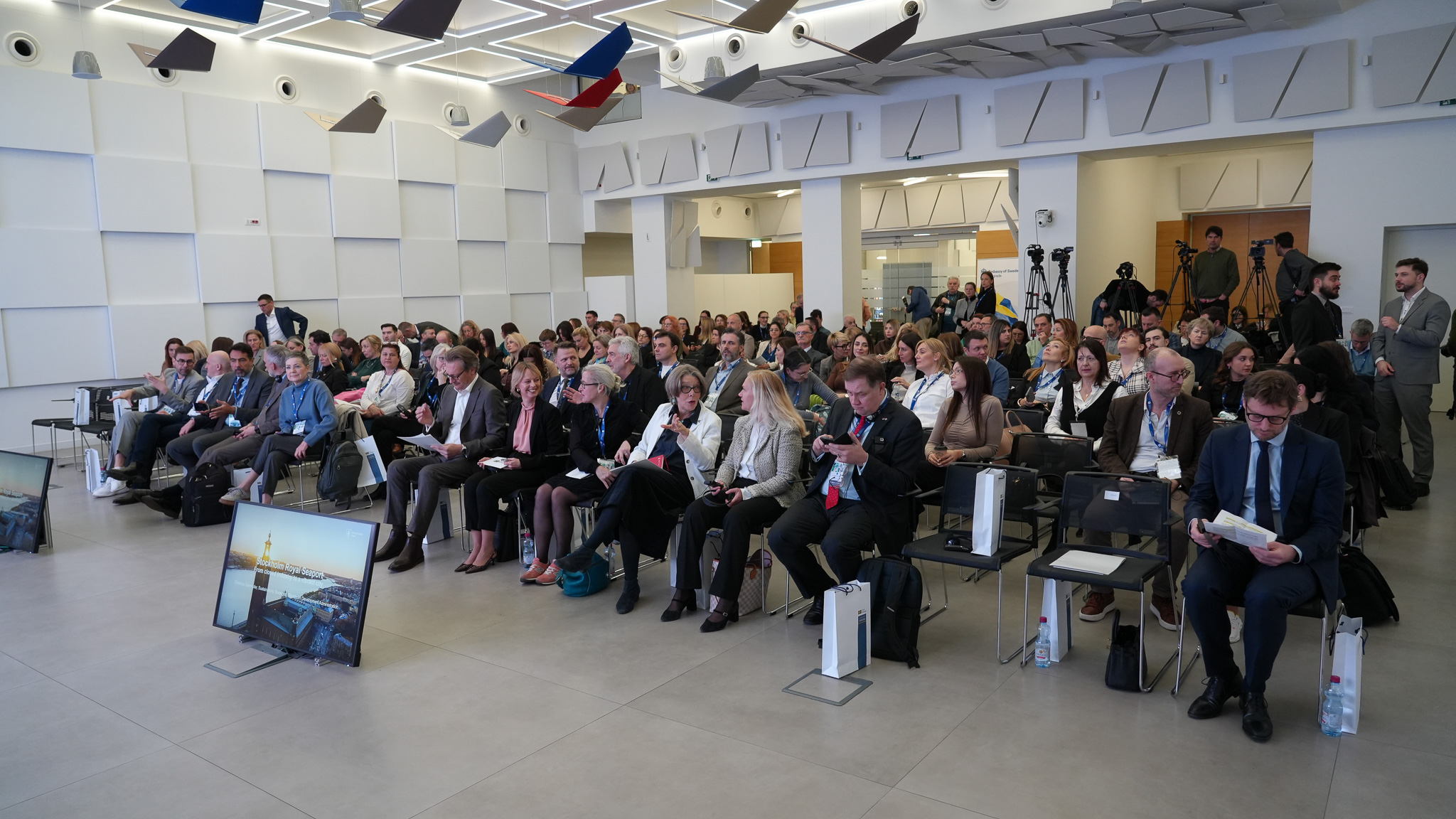
The fourth and final conference under this title was organized as part of the initiative “Nordic Green and Smart Cities – Building Partnerships in the Western Balkans,” implemented by the embassies of Denmark, Finland, Norway, and Sweden in cooperation with the Nordic Business Alliance.
With the support of the Nordic Council of Ministers, the initiative aims to present the Nordic experience in the development of smart and sustainable cities, encourage the exchange of knowledge and technologies, and strengthen cooperation between Nordic and local institutions and companies in Serbia and Montenegro. The closing conference at the Chamber of Commerce and Industry of Serbia focused on the concept of future smart cities, with particular emphasis on the application of new technologies and artificial intelligence in their planning and development.
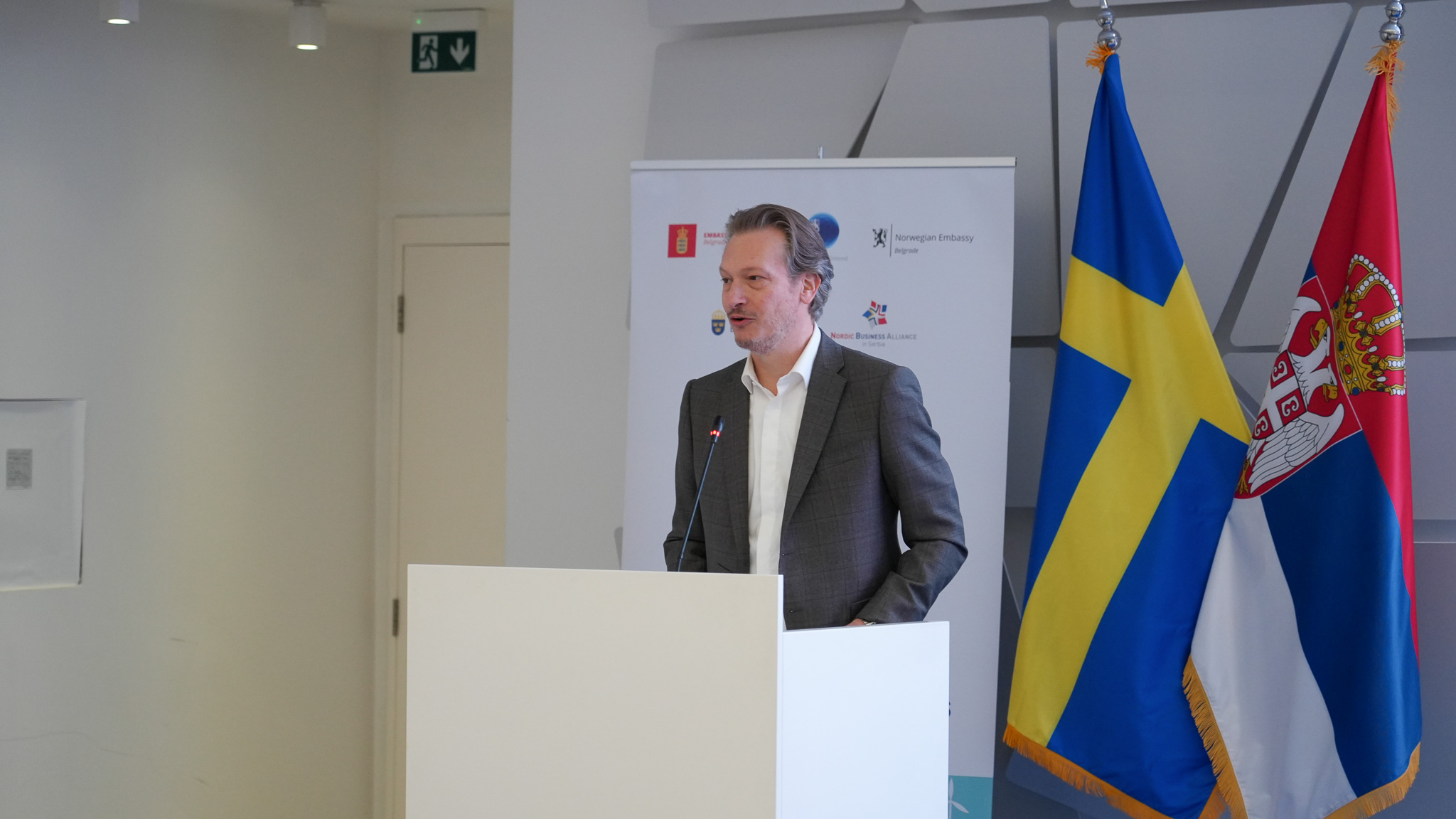
Cooperation with Nordic partners is of exceptional importance, particularly in the fields of smart cities, high-quality urban planning, well-organized traffic flows, and energy efficiency, which are the foundations of modern development, emphasized Mihailo Vesović, Vice President of the Chamber of Commerce and Industry of Serbia.
Vesović noted that the accelerated development of Belgrade and other cities presents an opportunity to apply the best European practices in energy efficiency and green construction, stressing that green building will be a key factor in the competitiveness of construction companies in the future. As he stated, the Chamber of Commerce and Industry of Serbia will continue to connect domestic and international partners and improve construction standards. He added that sustainability requires responsible planning and a different approach to development, pointing out that Serbia and the region still have room for progress in understanding and implementing these standards. He also highlighted the importance of the construction industry, which accounts for around five percent of GDP, assessing that its development contributes to positioning Belgrade as a strong industrial and service hub.
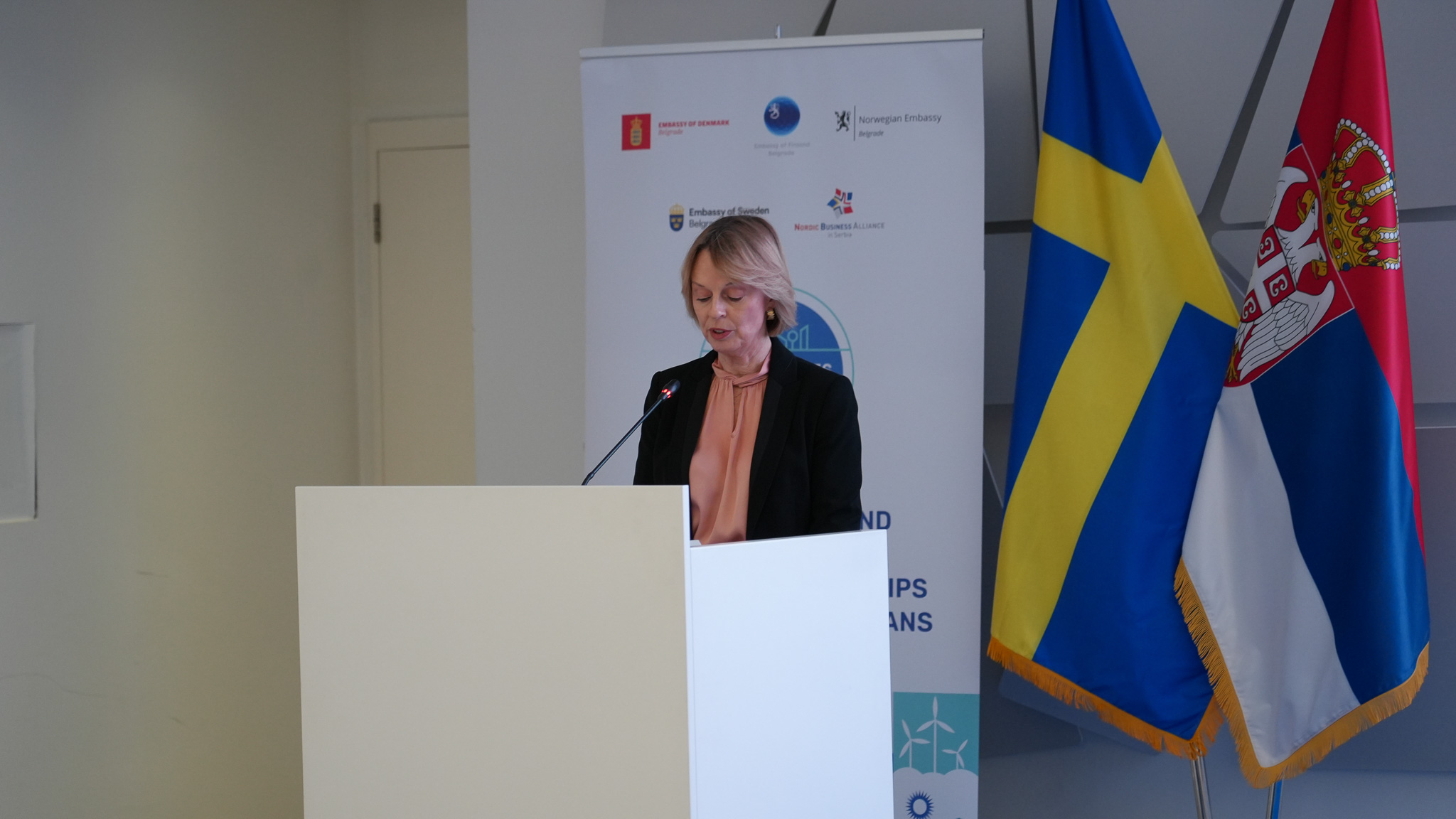
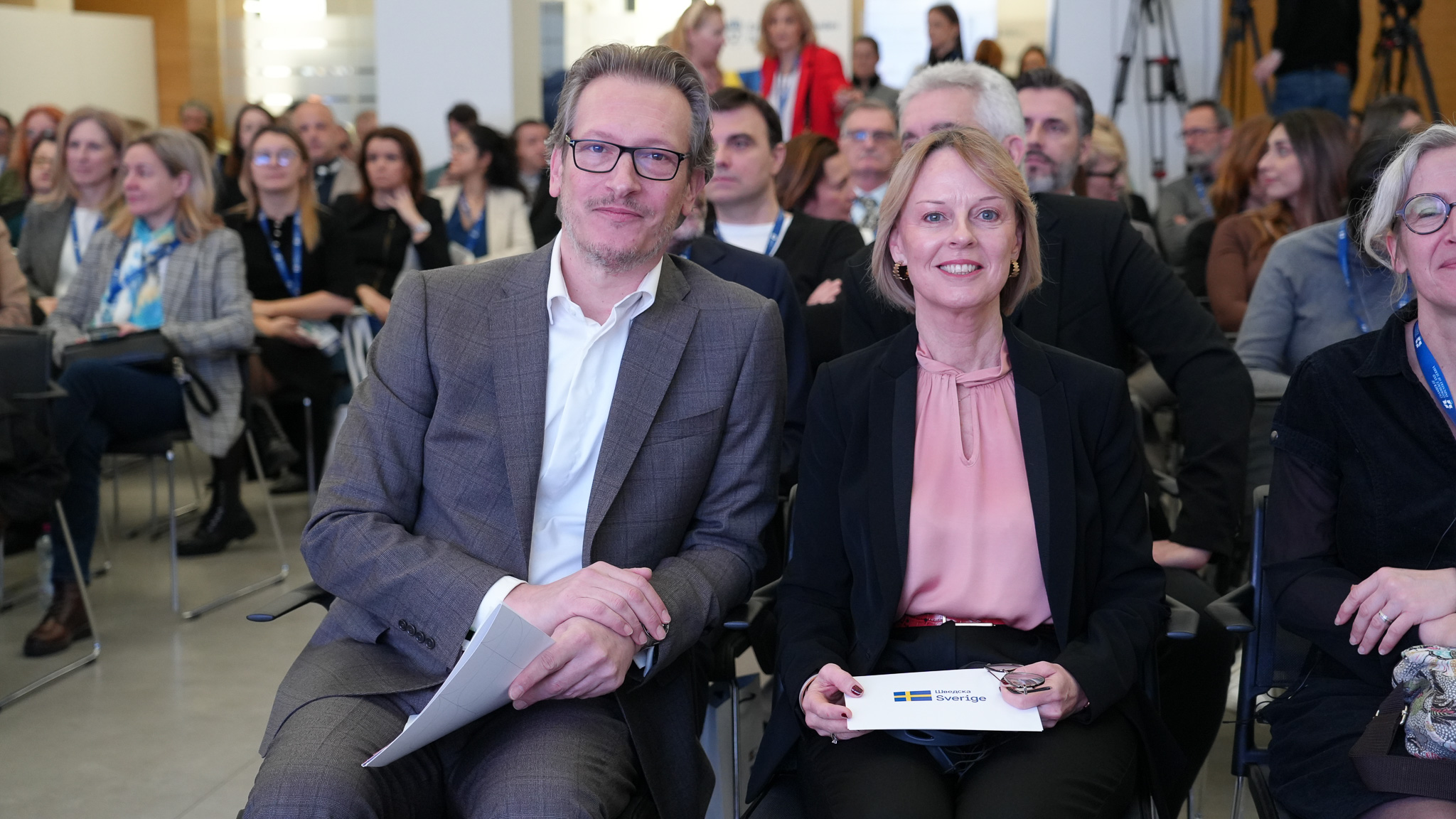
“Our theme, Smart Engineering for Urban Development, is closely linked to the broader Swedish narrative of innovation, sustainability, and partnership — what we call #MadeWithSweden. It reflects our belief that the most effective solutions to today’s complex urban challenges emerge when public institutions, academia, and the private sector work together,” emphasized Charlotte Sammelin, Ambassador of Sweden, welcoming the participants.
In addition to the Ambassador of Sweden, the conference was attended by the ambassadors of the other Nordic countries: Pernille Dahler Kardel, Ambassador of Denmark; Kristin Melsom, Ambassador of Norway; and Niklas Lindqvist, Ambassador of Finland.
The opening of the conference was also attended by Igor Conić, Editor-in-Chief of the conference’s partner portal “Gradnja”; Christina Salmhofer, Sustainability Strategist for the City of Stockholm; and Paul Dixelius, SymbioCity Project Manager, as well as representatives of academia, non-governmental organizations, and Nordic and local companies.
Through this cycle of conferences, the Nordic “Smart Cities” initiative has reinforced the commitment to cooperation already demonstrated by the countries of the region in the field of sustainable urban development. As the concluding event in the series, the conference confirmed the shared ambition for the Nordic region, as a leader in the development of green and smart cities, to continue advocating sustainable urban practices at the international level.
By conveying the guidelines of the Nordic Council of Ministers’ Nordic Smart City Roadmap, the initiative has contributed to the exchange of knowledge and experience, facilitated urban transformation processes, and encouraged the development of greener, smarter, and more sustainable communities, laying the foundations for a long-term and sustainable future in the Western Balkans.
LATEST NEWS
