
New Tool of the Chamber of Commerce and Industry of Serbia for Businesses: Free Business Guide to the Bosnia and Herzegovina Market
Dec 23, 2025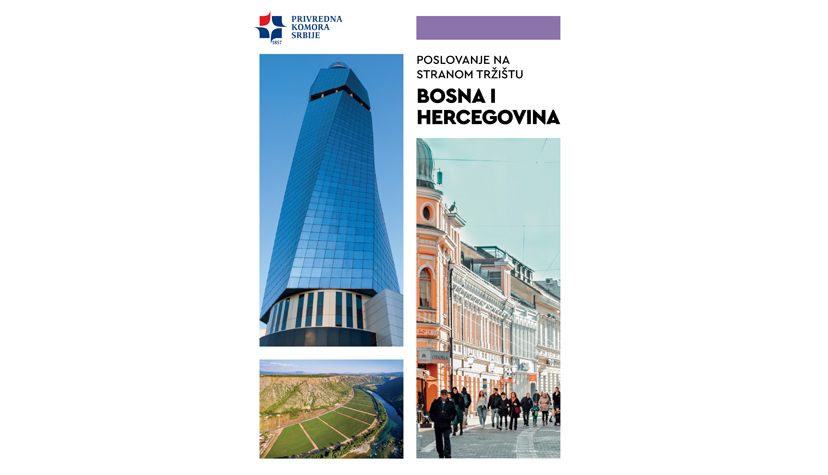
The Chamber of Commerce and Industry of Serbia (CCIS) has published a Business Guide to the Bosnia and Herzegovina Market, intended for companies planning to start or expand their operations, establish new partnerships, increase exports, or implement investments in one of the most important markets in the region.
The publication is available free of charge on the CCIS website and is part of the Chamber’s activities aimed at providing concrete, reliable, and practical support to the domestic economy, to strengthen regional business activities. The Business Guide to the Bosnia and Herzegovina Market, as well as other CCIS regional guides, can be downloaded in PDF format from the Chamber’s website: https://pks.rs/strana/sekcija/publikacije-regionalna-saradnja
“Bosnia and Herzegovina is a natural and strategically very important market for Serbian companies. Geographic proximity, strong trade ties, a similar business environment, and long-standing cooperation make it one of the first and most logical steps for entering or further expanding business operations in the region. Investment in knowledge and timely information represents the foundation for successful business decisions,” emphasizes Đorđije Radović from the CCIS Center for Regional Cooperation.
Serbia and Bosnia and Herzegovina are the largest trading partners in the Western Balkans. Total trade in goods between the two countries amounted to EUR 2.9 billion in the previous year, while trade in services reached EUR 868 million.
With Bosnia and Herzegovina, Serbia realizes around 50 percent of its total trade in goods with Western Balkan economies. Bosnia and Herzegovina is Serbia’s leading export destination in the region, accounting for almost half of total regional exports, and at the same time, the country from which Serbia imports the most. Over the past three years, the Bosnian-Herzegovinian market has been Serbia’s second most important export market globally. According to data from the Central Bank of Bosnia and Herzegovina, Serbia, with more than EUR 1.5 billion in investments, is one of the largest investors in that country.
“The Business Guide to Bosnia and Herzegovina is the result of many years of experience and the daily work of the CCIS team with companies that already operate or plan to enter this market. The publication is based on the most frequently asked questions and practical business dilemmas—from the tax system, company establishment, and investment procedures, to public procurement, work permits, and other administrative requirements,” Radović points out.
The Guide provides a comprehensive overview of key aspects of doing business in Bosnia and Herzegovina, including economic indicators, the structure of the economy, the regulatory and tax framework, as well as the specifics of business practice. A particular value of the publication lies in references to relevant institutions, contacts, and additional sources of information that help companies navigate the local business environment and make informed decisions.
By publishing the Business Guide to Bosnia and Herzegovina, CCIS continues its series of regional publications, following previously published guides for Slovenia, Croatia, Albania, and North Macedonia, thereby further strengthening its role as a reliable partner and service provider to the domestic economy.
“Through these guides and other services we provide, the Chamber remains a strong pillar of support for companies in their efforts to efficiently harness the potential of regional markets, enhance competitiveness, and ensure long-term sustainable growth and resilience,” Radović concludes.
LATEST NEWS
