
Čadež: EU Regulations Cost Western Balkan Economies €100 Million a Day
Jan 27, 2026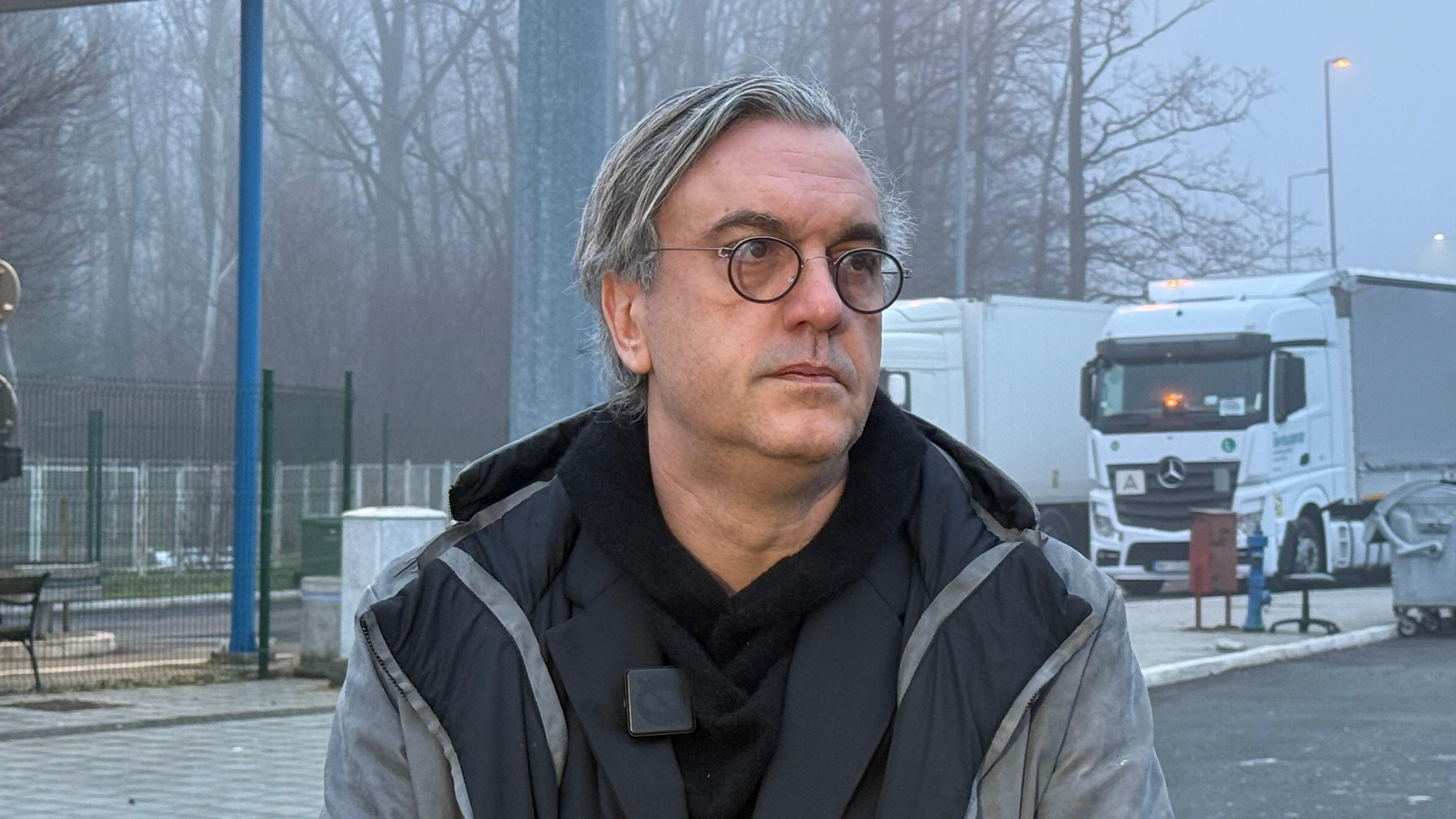
President of the Chamber of Commerce and Industry of Serbia (CCIS), Marko Čadež, warned today that due to bureaucratic procedures and the inadequate response of the European Union regarding the stay of professional drivers in the Schengen Area, Western Balkan economies are suffering direct losses of around €100 million per day solely in terms of goods exports.
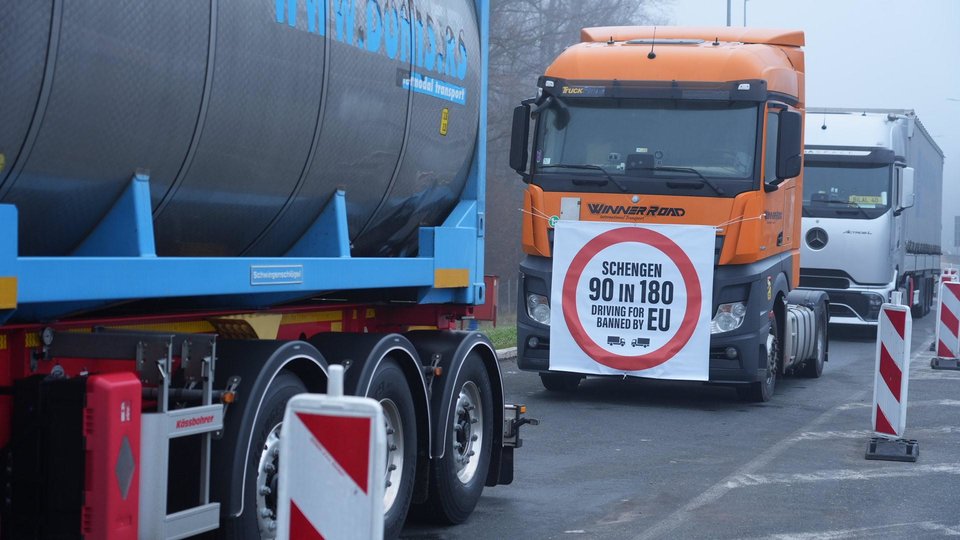
During a visit to the Batrovci border crossing, where freight traffic is blocked, and more than 50 trucks are waiting in line, Čadež stressed that the current situation seriously threatens the operations of thousands of companies and the stability of entire supply chains.
“This is only the damage related to exports. On top of that, there are penalties and fines that manufacturing companies are paying for undelivered goods, ranging from €10,000 to €50,000 per day. Around 10,000 companies from Serbia alone export to the European Union, so it is clear that we are talking about truly significant figures,” Čadež told Tanjug.

He pointed out that, unlike previous global supply chain crises, such as those caused by the COVID-19 pandemic or the blockage of the Suez Canal, the current crisis was not triggered by an external factor, but by the inflexibility of the European administration. As he emphasized, businesses from Serbia, North Macedonia, Albania, and Montenegro have been jointly warning about this issue for more than two years, along with EU companies operating in the region, yet no solution has been found.
“We have a paradoxical situation in which Europe and European companies are slowing themselves down and blocking their own operations,” Čadež said.
He added that companies are extremely concerned about the current crisis, which is why he visited the border crossing together with the President of the German-Serbian Chamber of Commerce, Filip Simović. According to Čadež, in the past seven days alone, nine drivers have been arrested in Germany because European regulations are being applied to professional drivers in the same way as to illegal migrants, leading to serious disruptions in supply and the functioning of the European economy.
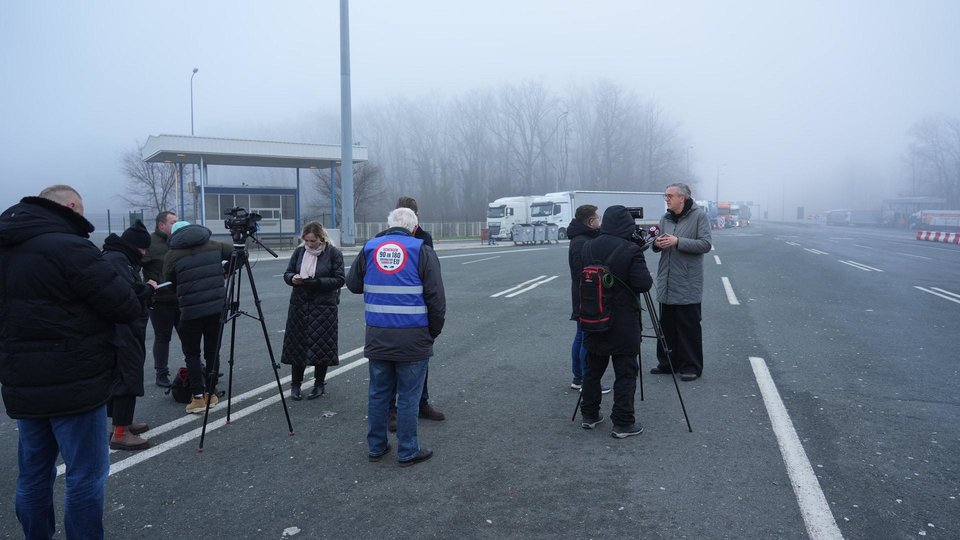
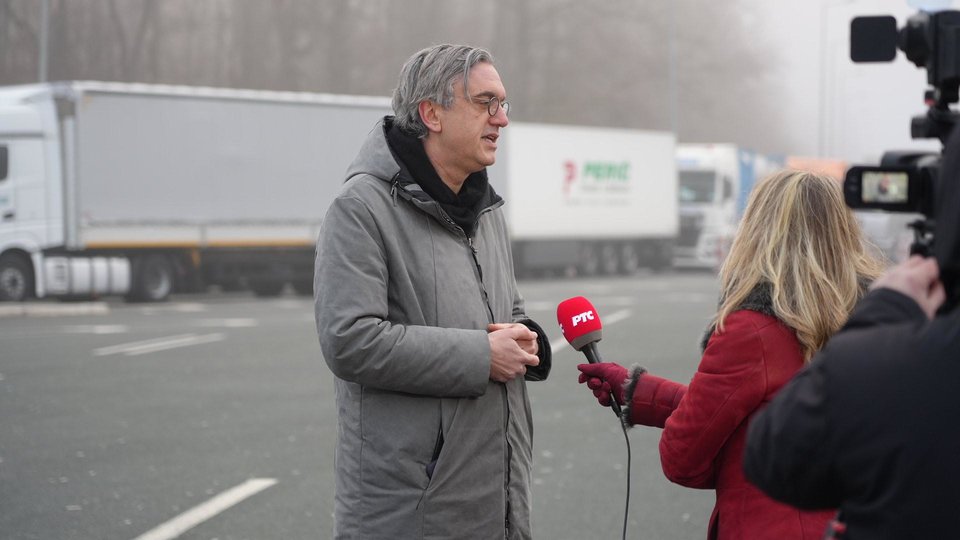
“This is not only a Western Balkan problem, but a European one. We hope that the European administration will listen to major companies in member states that are now addressing their governments, because this approach is endangering Europe’s own economy,” Čadež said.
Mirko Bjelobrk, a member of the Management Board of the Business Association “International Transport,” stated that blockades of freight terminals at border crossings are currently the only way for transport companies to make their voices heard within the European Union. He noted that contacts with European institutions have been ongoing since 2014, intensifying over the past three years, and that everything possible has been done to resolve the issue.
He emphasized that Serbia has supported transport companies within its competencies and made maximum efforts to help, expressing confidence that joint action would secure conditions for the unhindered operation of international transport. He recalled that several thousand international transport companies operate in Serbia, employing around 30,000 people.
The President of the Management Board of the German-Serbian Chamber of Commerce, Filip Simović, said that the blockades at border freight terminals are not an incident or a short-term disruption, but a systemic warning not only for the domestic economy, but also for relations between the European and Serbian economies.

“The German economy is extremely affected by these blockades. Serbia exports goods worth €5 billion to Germany, which means the current situation is causing daily losses of between €100 million and €150 million,” Simović said.
Transport companies from Western Balkan countries began blockades of freight traffic at Schengen border crossings on Monday at noon as a last-resort measure, due to restrictions on the stay of professional drivers during their regular work activities. An expansion of the blockades to alternative crossings with Bulgaria – Mokranje near Negotin and Ribarce near Bosilegrad – has also been announced.
The Chamber of Commerce and Industry of Serbia is intensively working on an urgent solution to this issue in cooperation with regional chambers. Proposed solutions include the introduction of a special visa or permit for professional drivers valid throughout the Schengen Area, an increase in the number of permitted days of stay, and the exemption of drivers from the Entry/Exit System (EES) until a permanent solution is reached.
Photo/ Video: Boban Ristić ( CCIS)
LATEST NEWS
