
Serbian Agriculture Opens New Opportunities for Partnerships with the UAE
May 18, 2026Serbia and the United Arab Emirates (UAE) have significant potential for new investments and stronger cooperation in agribusiness, high technologies, logistics, and supply chains, it was emphasized during the meeting between the President of the Chamber of Commerce and Industry of Serbia (CCIS), Marko Čadež, and the UAE Minister of Climate Change and Environment, Dr. Amna Al Dahak Al Shamsi, who is leading the Emirati state and business delegation visiting Serbia on the occasion of the International Agricultural Fair in Novi Sad.
During the meeting at the CCIS, discussions focused on strengthening cooperation between Serbia and the UAE in agriculture, the food industry, agri-tech, the food-tech industry, and innovations in the agricultural sector, as well as on improving the implementation of the Comprehensive Economic Partnership Agreement between the two countries, particularly in the areas of trade and investment in the agri-food sector.
The interlocutors also highlighted the importance of connecting scientific institutions, enhancing institutional cooperation, and intensifying networking among companies, including the logistics sector, which represents important support for the development of agriculture and the trade of agricultural products.
Čadež emphasized the great opportunities for cooperation and networking between companies from the UAE and Serbia, as well as with other global markets. “Serbia can serve Emirati companies as a hub for the European Union market, while Serbian companies see the Emirates as a gateway to the Gulf countries,” the President of the CCIS said. He particularly pointed to the application of high technologies in Serbian agriculture and the potential for new partnerships.
The CCIS President also recalled the successful cooperation with the Dubai World Trade Centre (WTC Dubai), announcing the arrival of the GITEX fair to Belgrade starting next year, as well as plans to bring other major global trade fairs to Serbia.
He stressed that the specialized exhibition EXPO 2027, which will be held in Belgrade, will further strengthen Serbia’s position as a regional center for organizing major international events. He also underlined the importance of investing in infrastructure capacities, especially in expanding port capacities.
Minister Al Shamsi assessed that there are major investment opportunities for cooperation between the two countries and emphasized the need for more frequent visits of business delegations and mapping key areas for joint projects.
She also highlighted the importance of institutional cooperation in order to provide stronger support to the business communities for more intensive economic cooperation, and invited CCIS President Marko Čadež to lead a Serbian business delegation to the UAE so that companies could discuss new business opportunities and partnerships through direct meetings.
Al Shamsi praised the organization of EXPO 2027, assessing it as a major and important project that significantly contributes to the international recognition of Serbia and Belgrade.
Total foreign trade exchange between Serbia and the UAE, including goods and services, reached one billion dollars in 2025, representing an eight percent increase compared to the previous year.
Trade in goods between the two countries amounted to 113.4 million dollars, while trade in services reached 916.1 million dollars, representing a 12 percent increase compared to the previous year.
Serbian Agri-Technologies in the Focus of the UAE Delegation Visit
During her visit to Serbia, UAE Minister of Climate Change and Environment Amna Al Dahak Al Shamsi also met with the Serbian Minister of Agriculture, Forestry and Water Management, Prof. Dr. Dragan Glamočić, with whom she discussed opportunities to strengthen cooperation in agriculture, innovation, food security, livestock development, and the sustainable use of water resources for agriculture.
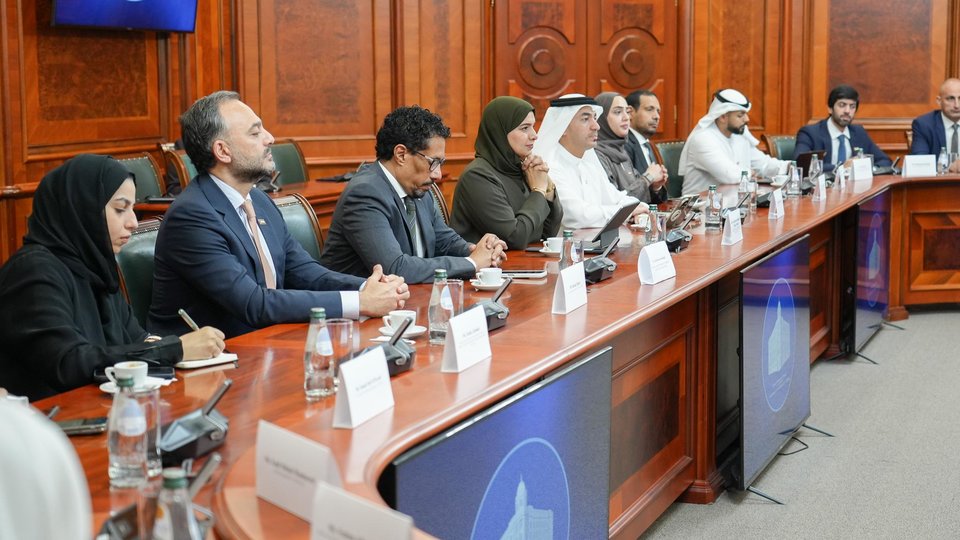
Special emphasis during the discussions was placed on the development of agri-technologies, the application of modern irrigation systems, as well as opportunities for cooperation in artificial intelligence and sustainable food production.
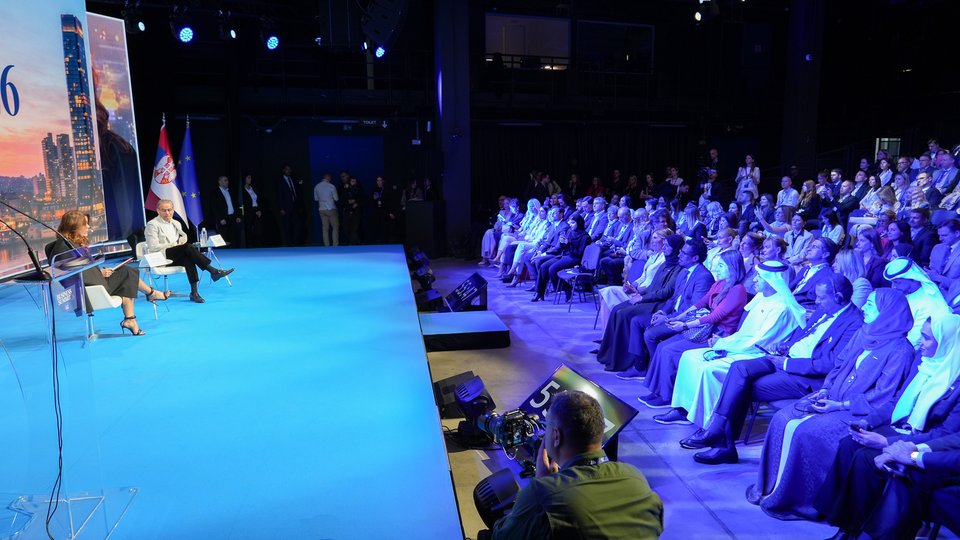
The UAE delegation attended the Business Summit 2026, which gathered more than 400 participants at Ložionica, as well as the panel in which the founder of “EMAAR Properties” and creator of the famous Burj Khalifa, Mohamed Alabbar, as the central guest of the “Hard Talk” segment, spoke about investments, architecture, and global visions.
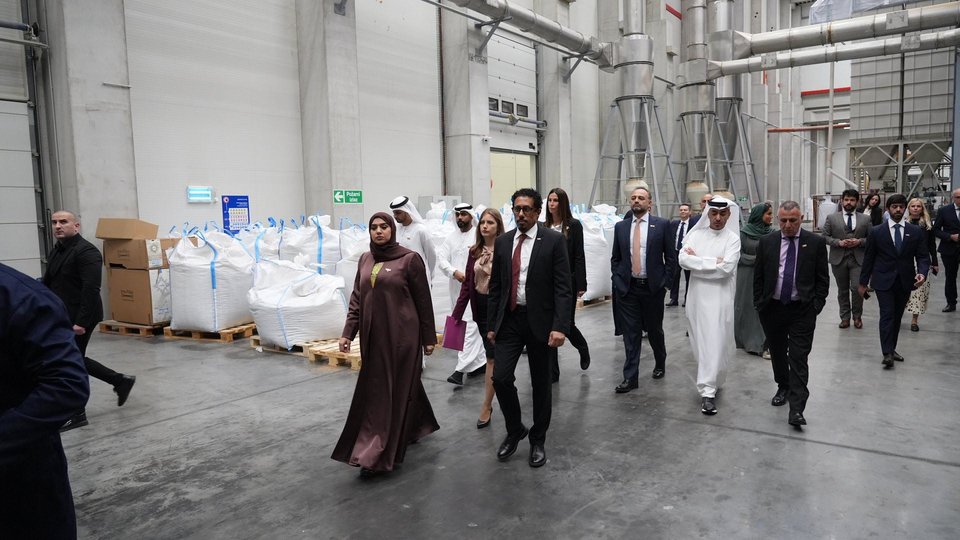
During her visit to Serbia, Minister Al Shamsi also visited the company Agrosava in Šimanovci, where the UAE delegation was presented with production capacities, development projects, and innovations in agri-technologies, especially in the segment of pet food production.
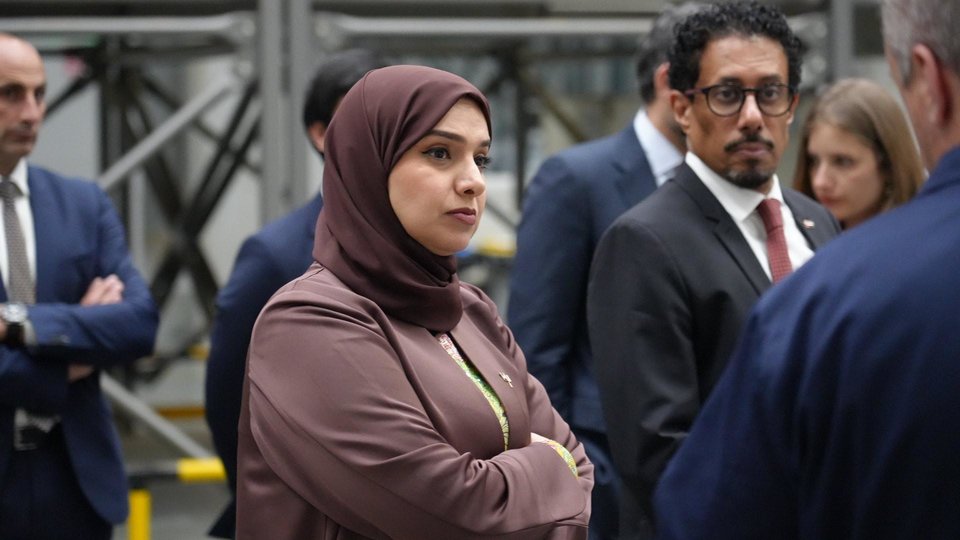
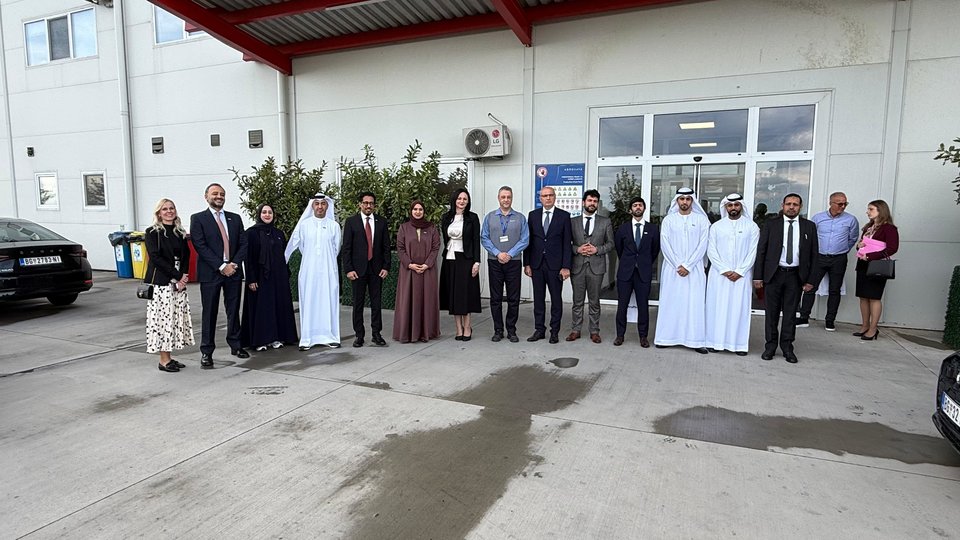
Company representatives pointed out that Agrosava operates in numerous global markets and exports its products to more than 30 countries, including Russia, Italy, France, and Croatia. The company employs seven PhDs, while more than 50 percent of its employees are engineers, confirming its orientation toward innovation, technology, and the development of modern agricultural solutions.
The discussions highlighted the potential for cooperation with UAE companies in the areas of innovation, application of modern technologies, and development of sustainable production systems.
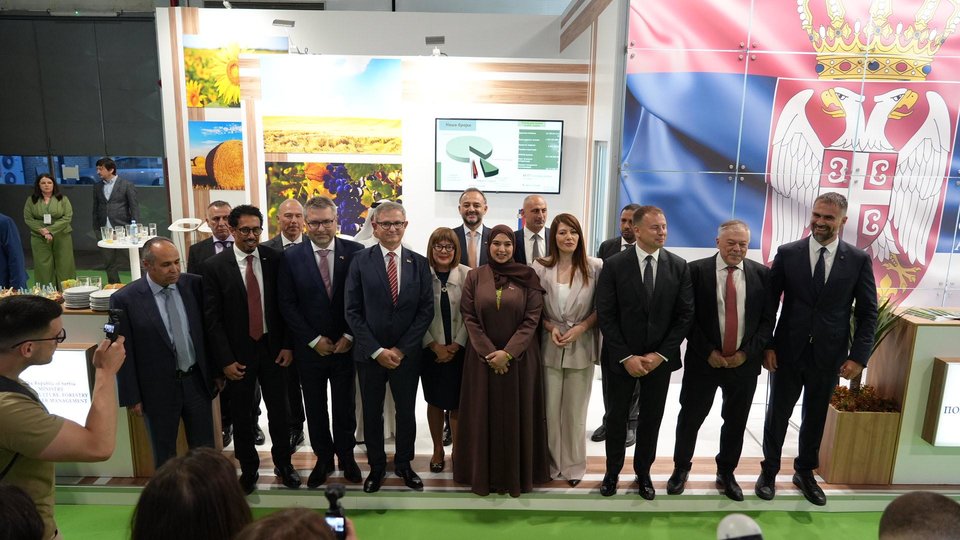
As part of the program, Minister Al Shamsi also attended the ceremonial opening of the 93rd International Agricultural Fair in Novi Sad, which this year gathered more than 1,200 exhibitors from Serbia and around 40 countries worldwide.
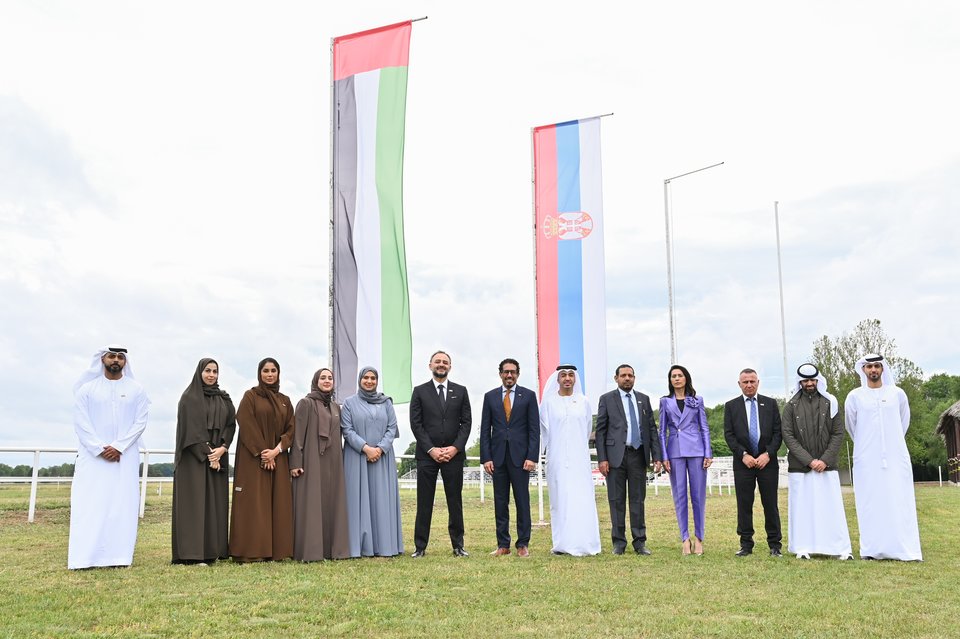
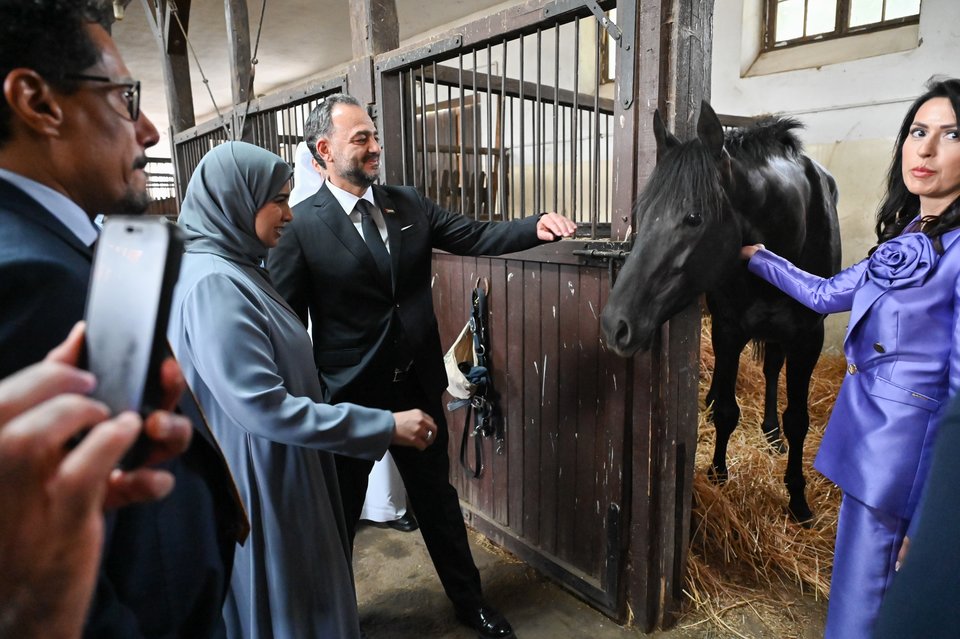
On the second day of the visit, the UAE Minister visited Zobnatica, an agricultural complex operating within the Elite Agro company and representing one of the significant Emirati investments in the Republic of Serbia. The visit focused on strengthening cooperation in agricultural production, especially in the field crop production segment, as well as on the further development of Serbia-UAE partnerships in food security and stable supply chains. One of the main topics discussed was the possibility of further improving irrigation systems as an important prerequisite for increasing production efficiency and achieving more stable yields.
Photo/ Boban Ristić ( CCIS)
LATEST NEWS
